The problem
A multi-tenant office building on El Paso's east side, owned by The Broker Co., carrying the cost profile every commercial landlord in this market knows: summer demand charges driven by cooling load, and a common-area electricity bill that climbs every year regardless of occupancy.
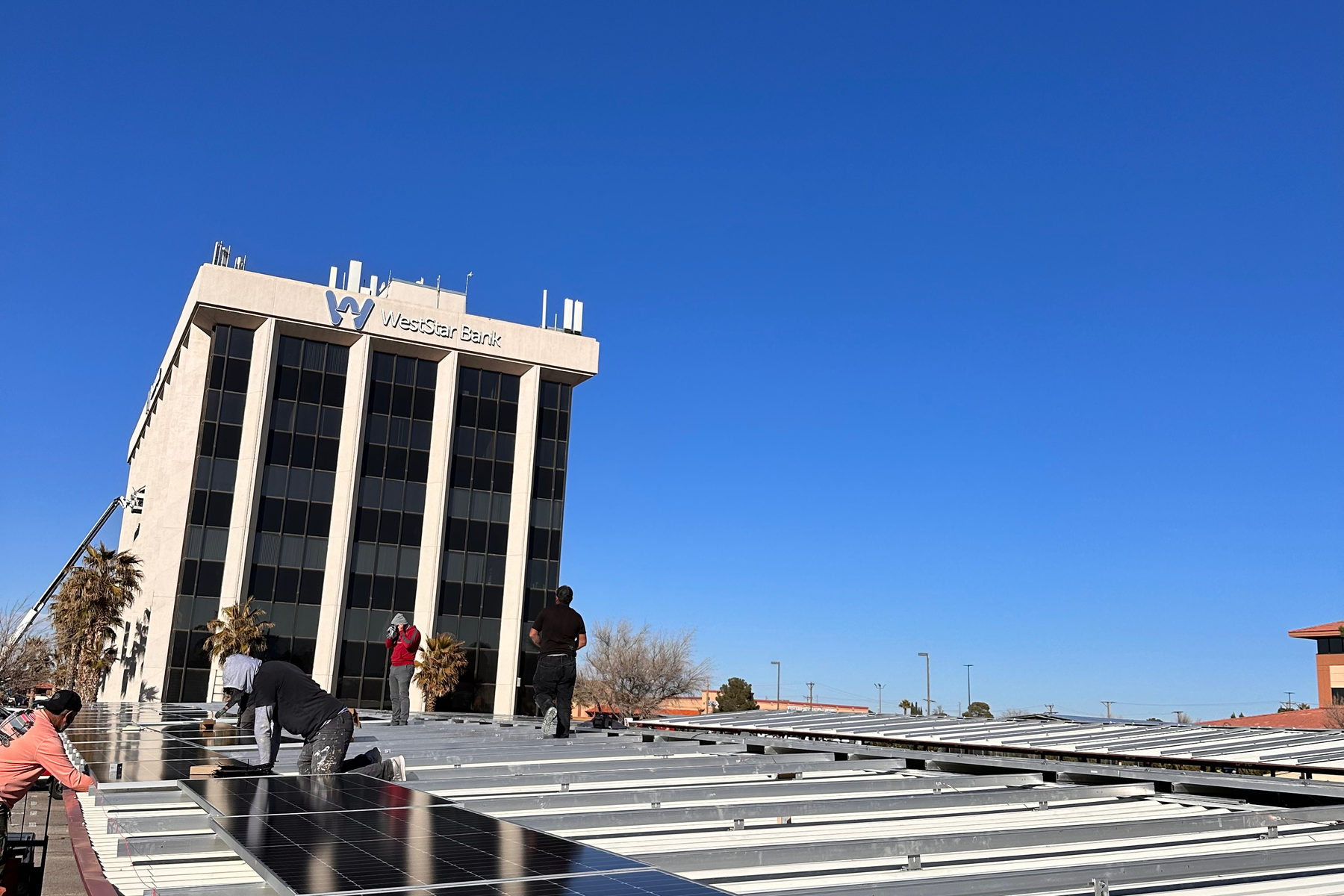
The obvious answer was the roof. The roof was the wrong answer. On an occupied multi-tenant building, roof work means penetrations, warranty coordination, tenant disruption, and a hard ceiling on array size set by the available membrane.
What we built instead
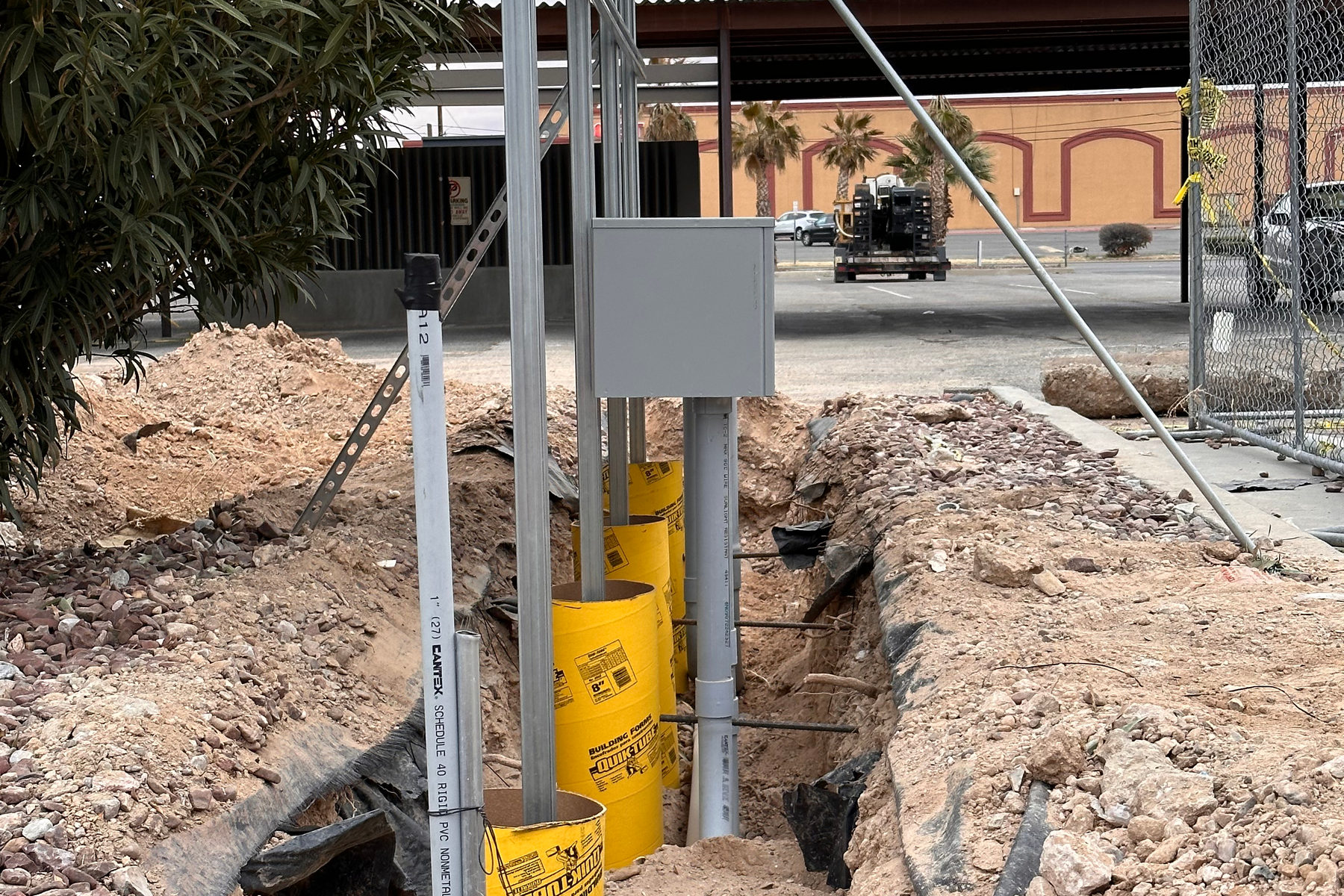
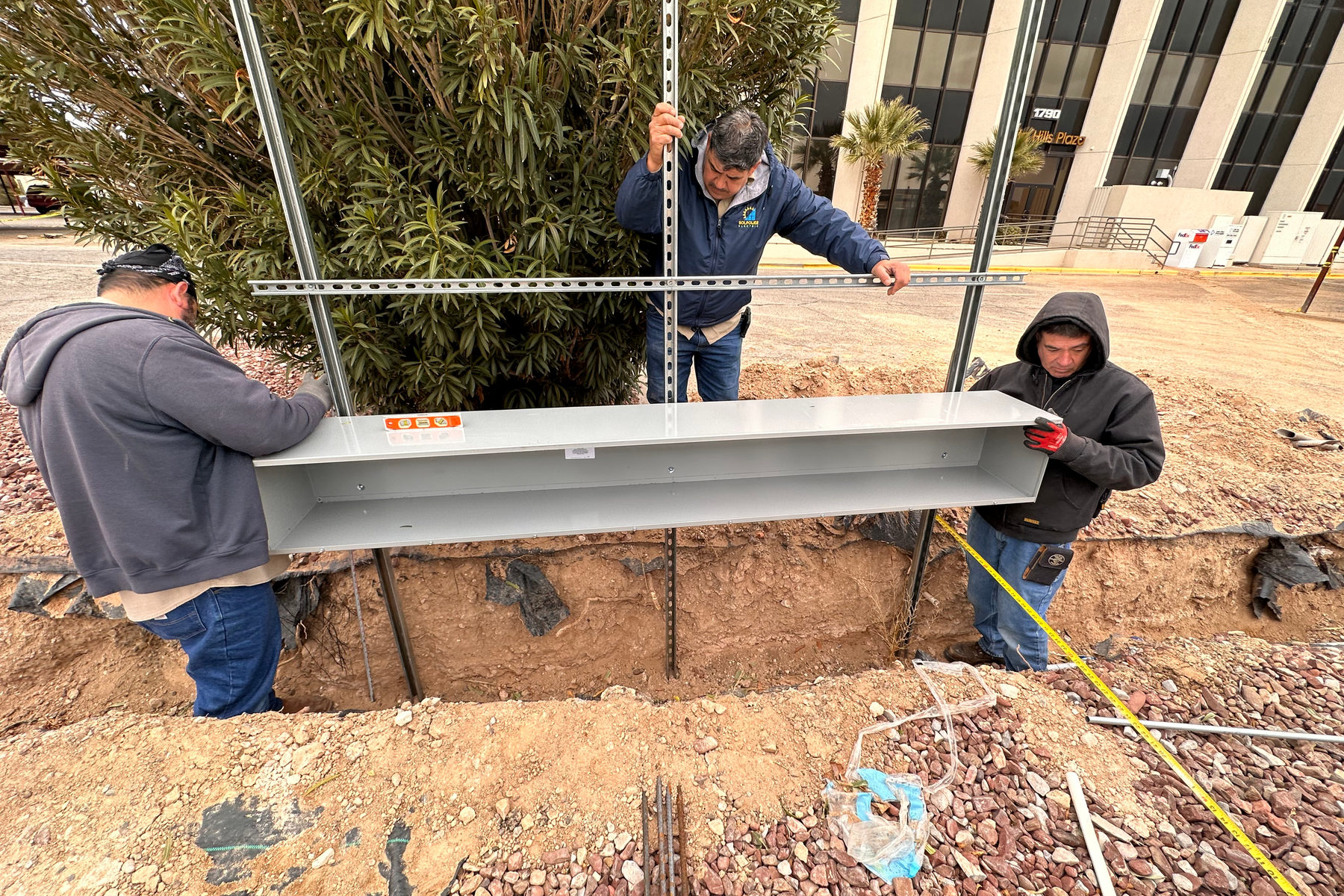
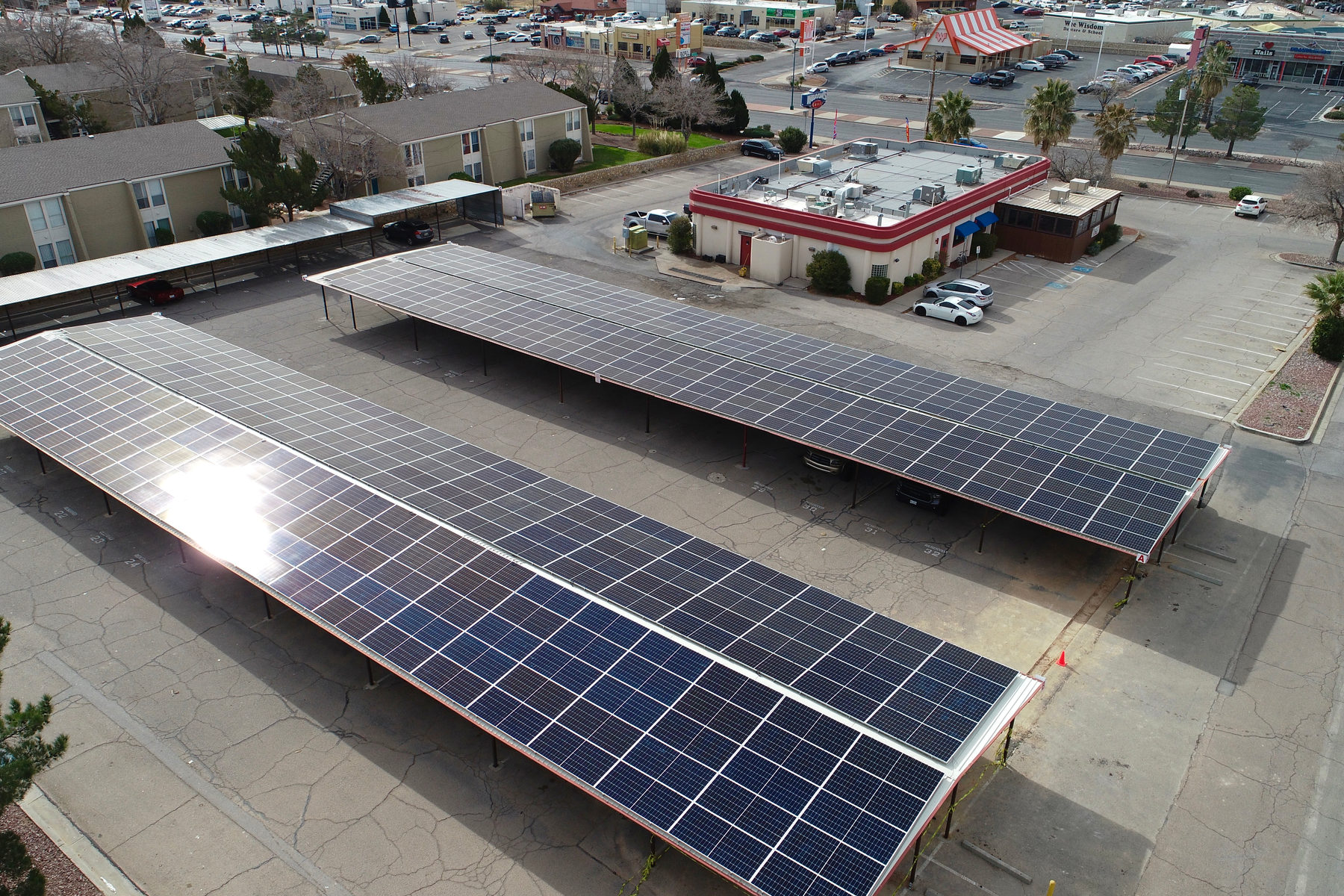
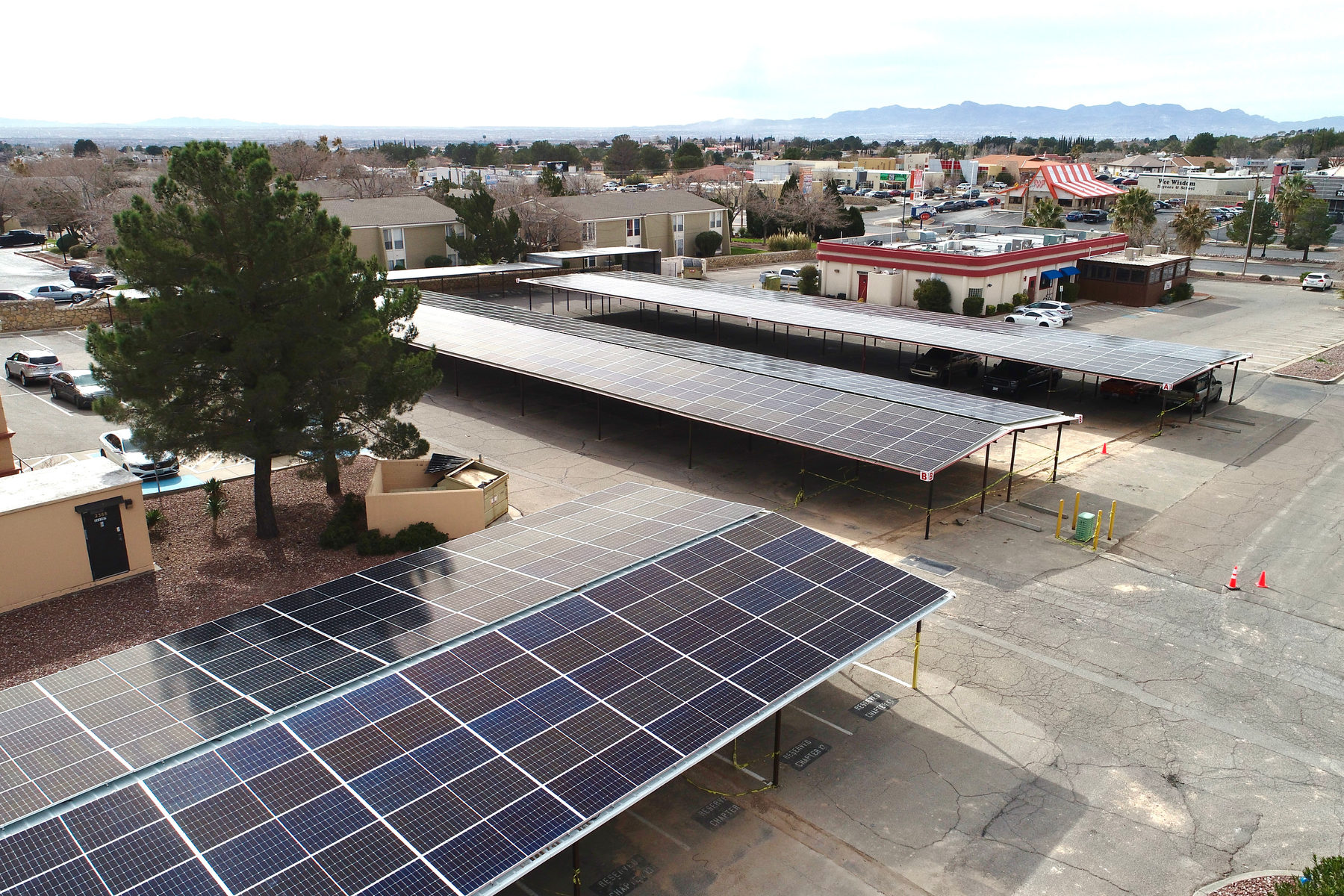
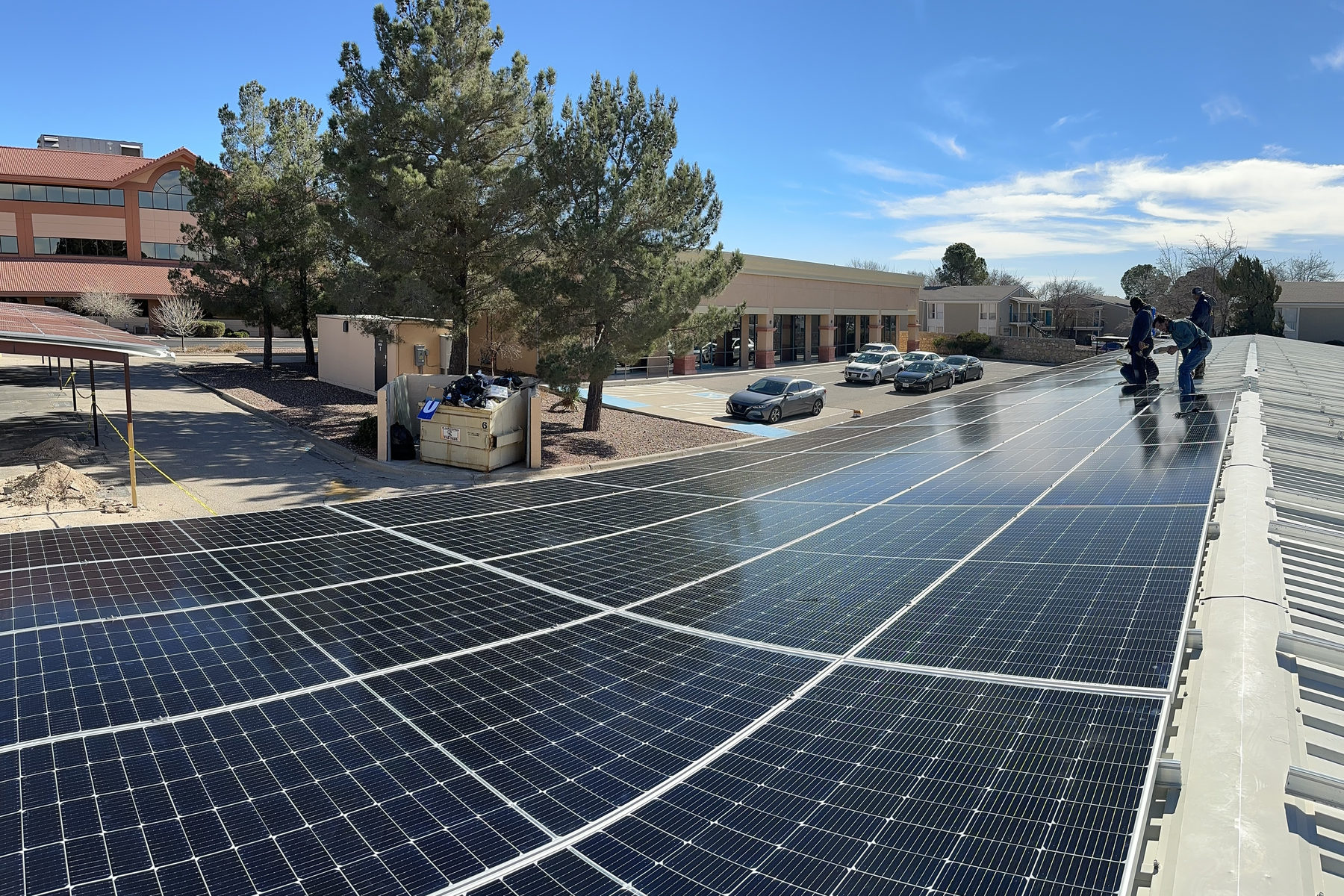
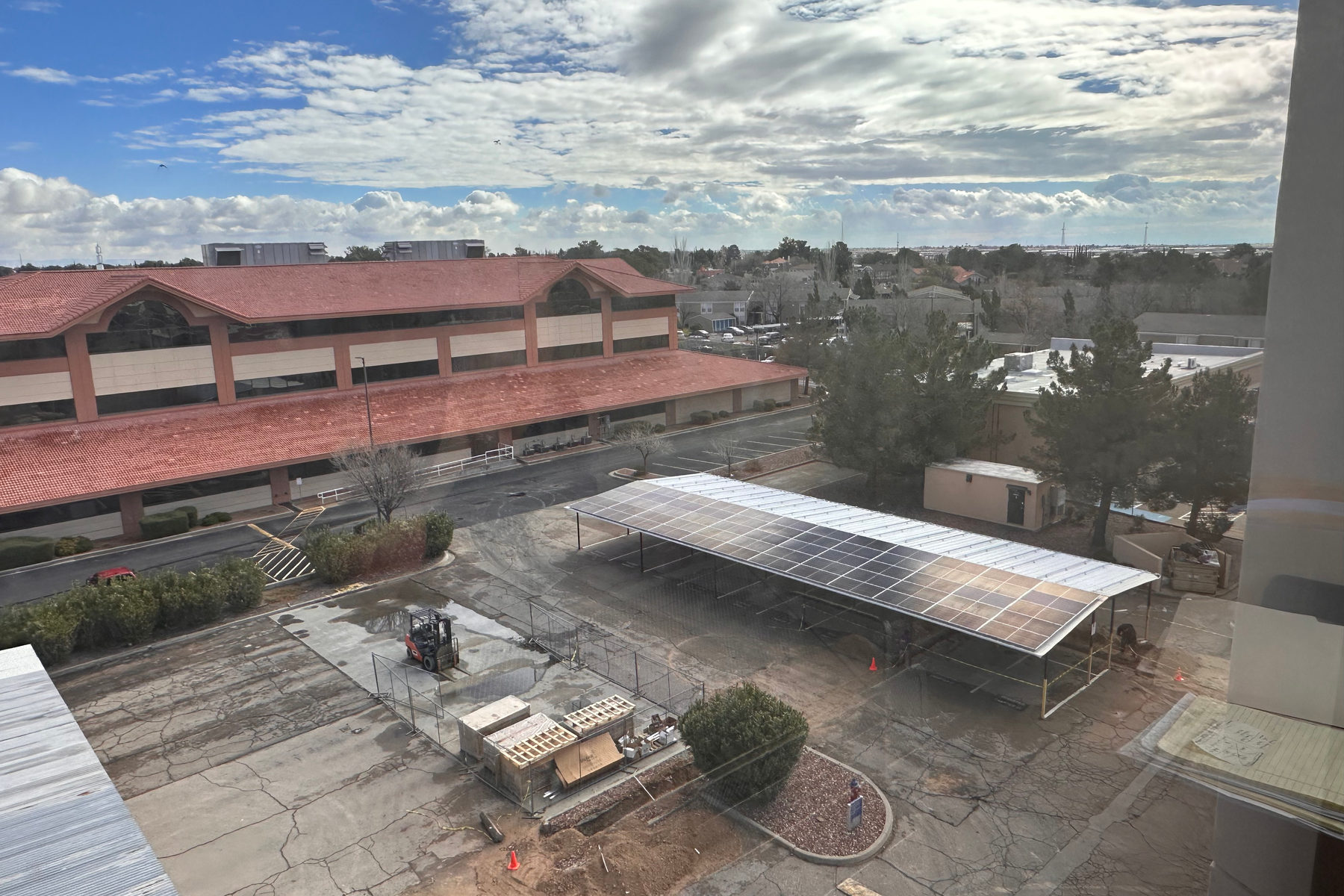
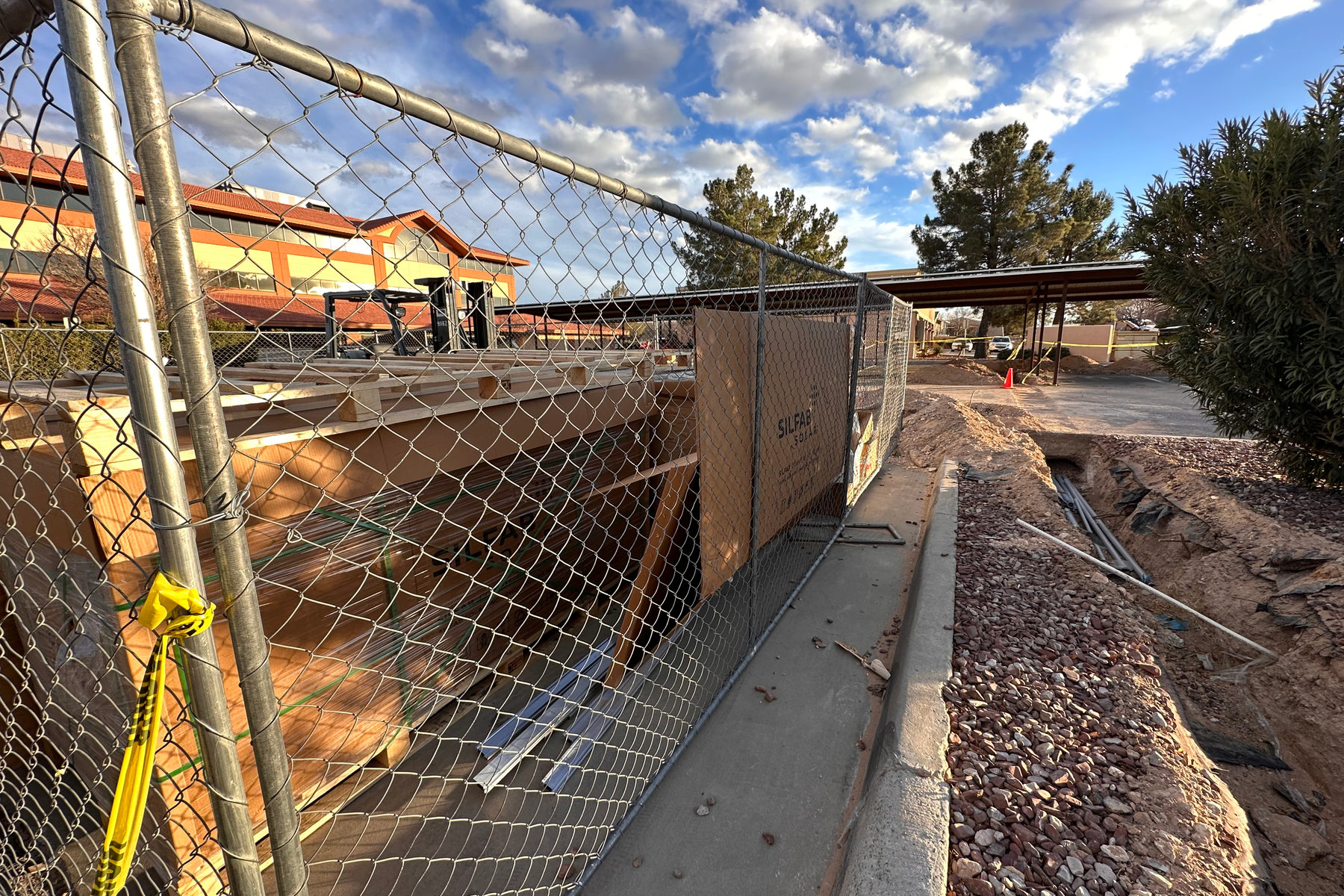
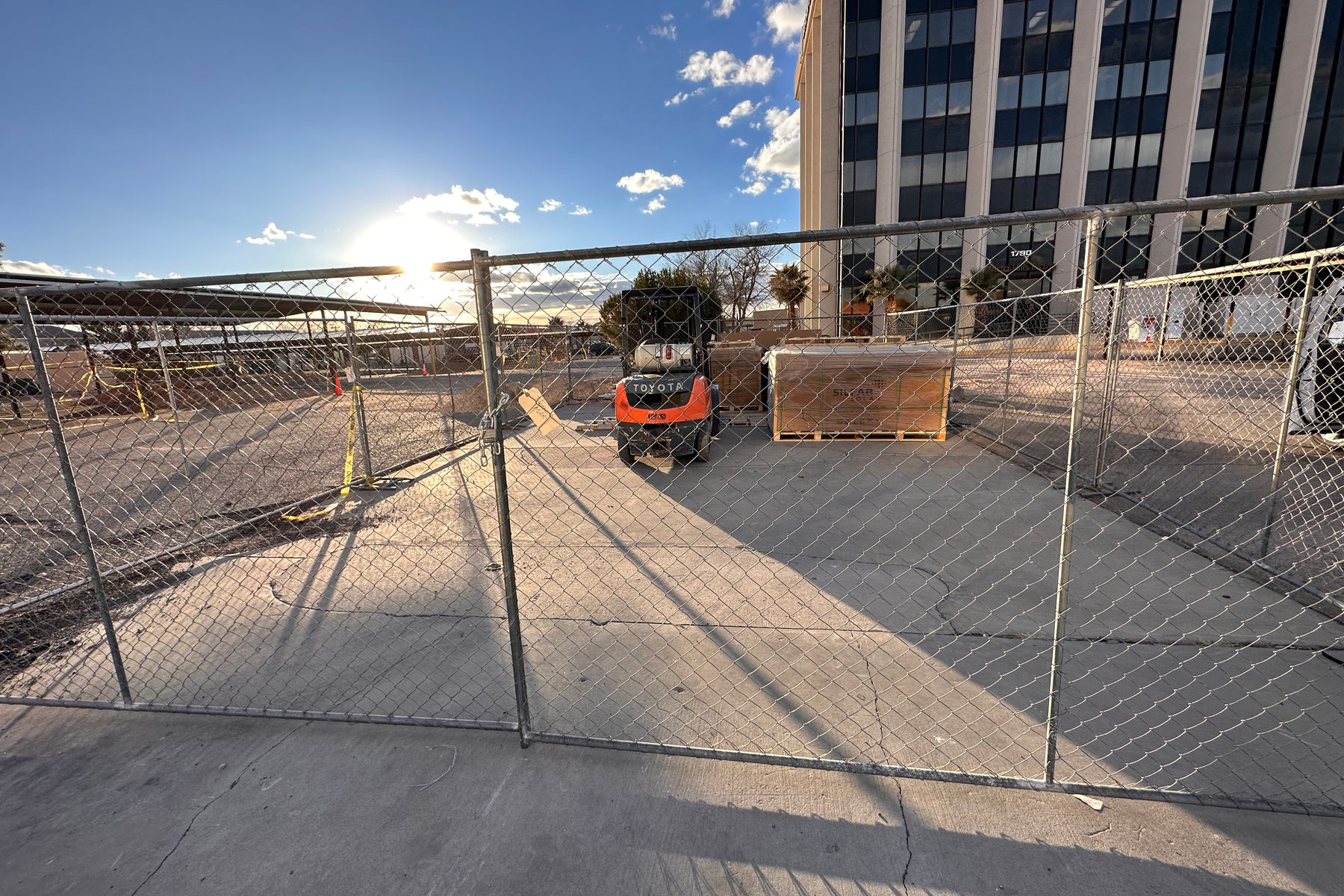
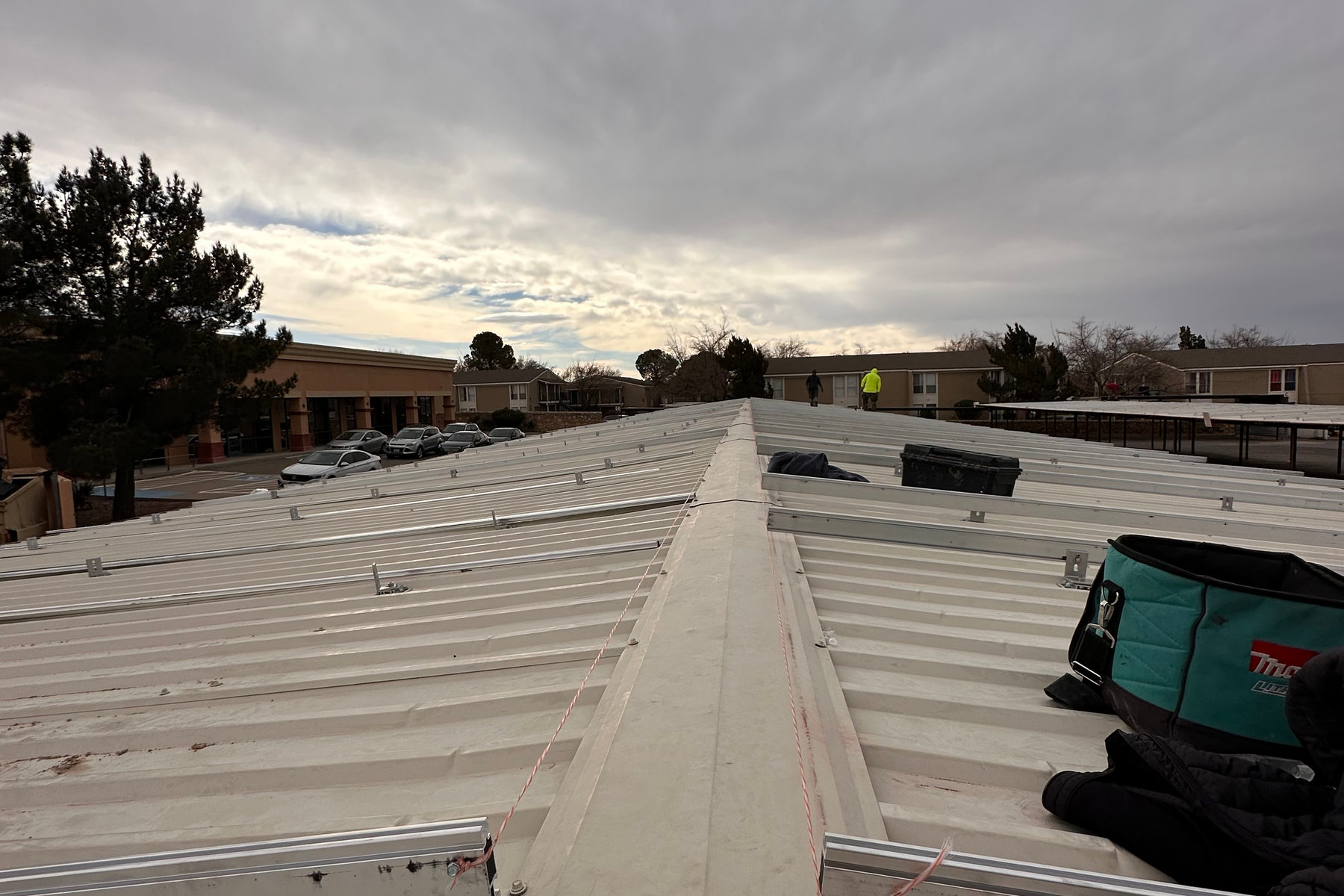
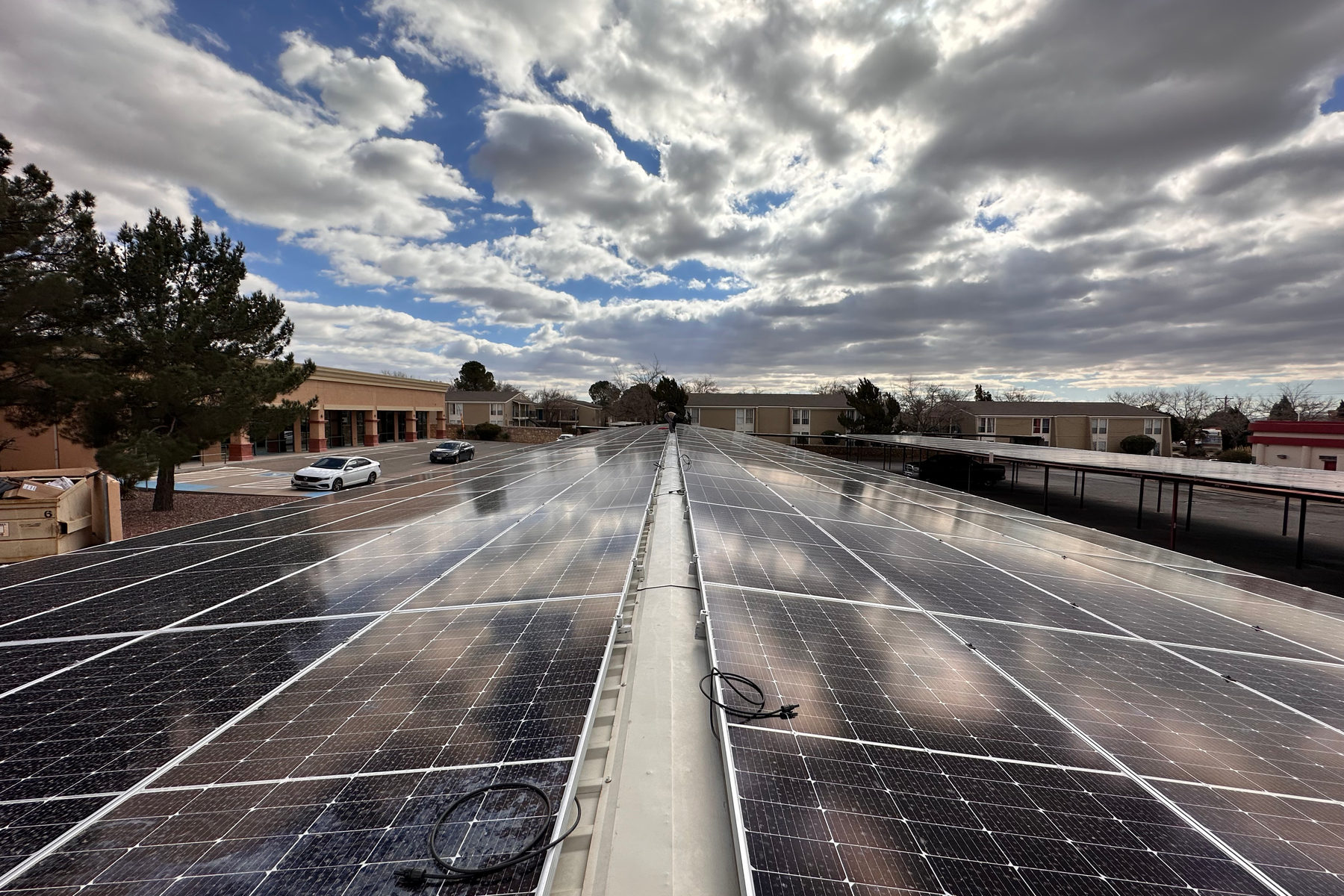
We put the array over the parking field. Six carport segments carrying 525 Silfab 490-watt modules at a 5° tilt, feeding five Chint 50 kW inverters for 250 kW AC — a load ratio of 1.03.
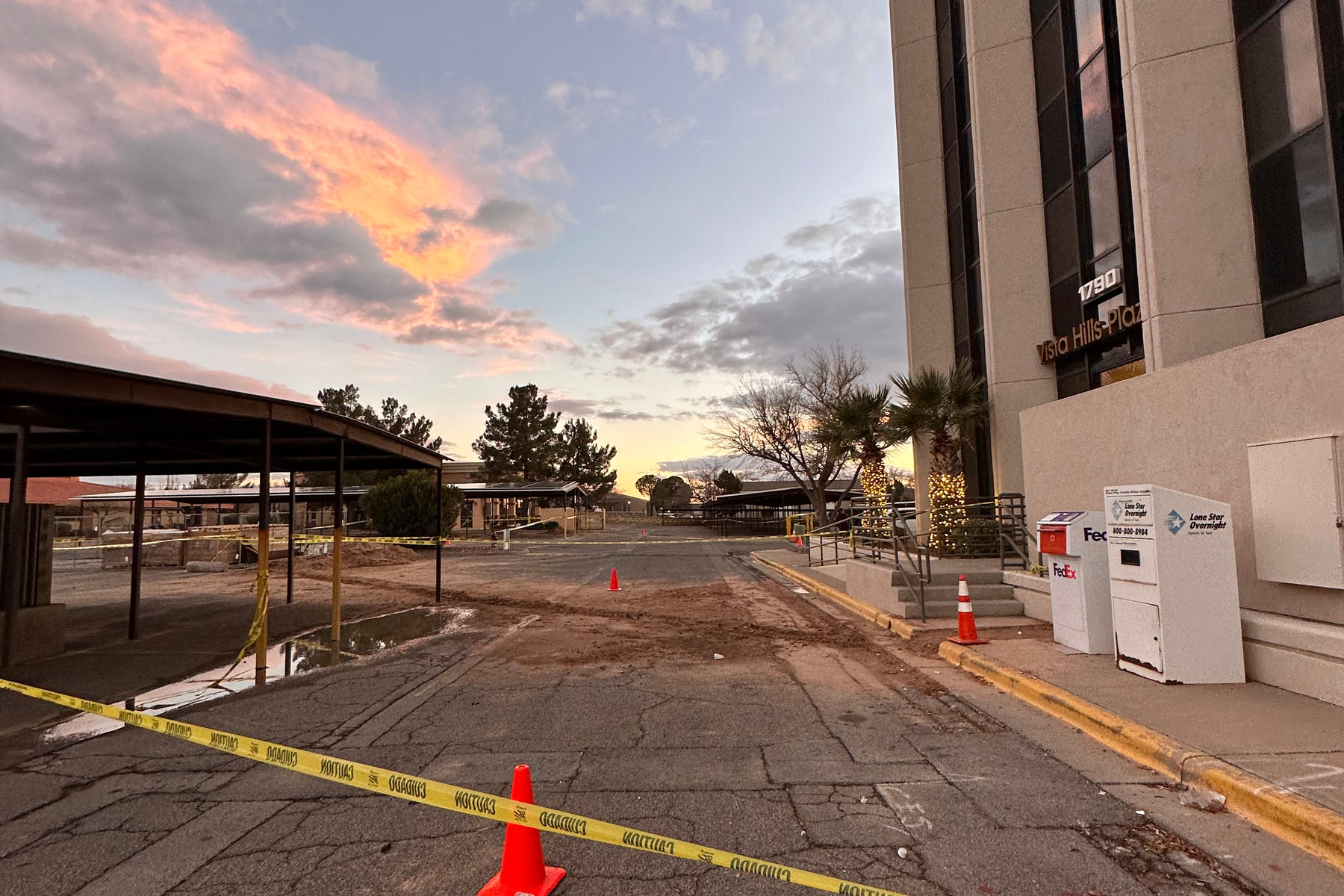
The carport approach solved three problems at once. No penetrations, so the roof warranty stayed intact and the building envelope was never opened. No size ceiling from usable roof area, so the system could be sized to the load rather than to the membrane. And the structure itself became a tenant amenity — shaded parking in a market where cars sit in 105°F heat.
For a landlord, shaded parking may be the easier sell. The kilowatt-hours are what the accountant notices.
How it performs
The system produces roughly 470 MWh a year at an 84.3% performance ratio and 1,829 kWh per kWp — strong numbers, and a direct result of the Chihuahuan Desert's irradiance combined with a carport's natural advantage: open-backed modules run cooler than roof-mounted ones, and cooler modules produce more.
That covers about 40% of the building's annual electricity use. Not the whole bill, and we never proposed that it would be. What it does cover is the daytime block when the building is occupied, cooling is running, and the utility charges the most.
Why it matters for other landlords
Commercial real estate has a structural problem with solar: the owner pays for the system while the tenants pay the utility bills. That split incentive kills more projects than economics do.
A carport reframes it. The structure is a leasable amenity that improves tenant retention and building value, and the generation offsets common-area load directly. If the property is financed through a TX-PACE assessment, the repayment obligation is secured by the property and transfers to the next owner on sale — which removes the objection landlords raise most: we may not own this building in twenty years.